From mountains and oceans to the open sky, Krishna Tulasi’s story reminds us that adventure isn’t about chasing adrenaline—it’s about discovering yourself.
Some people discover adventure by accident. Others spend years searching for something that truly makes them feel alive. For Krishna Tulasi, better known as Katie, that journey has taken her through mountain trails, beneath the ocean, and finally into the sky.
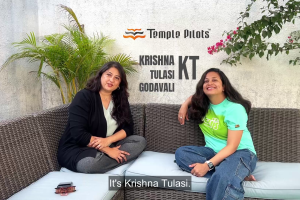
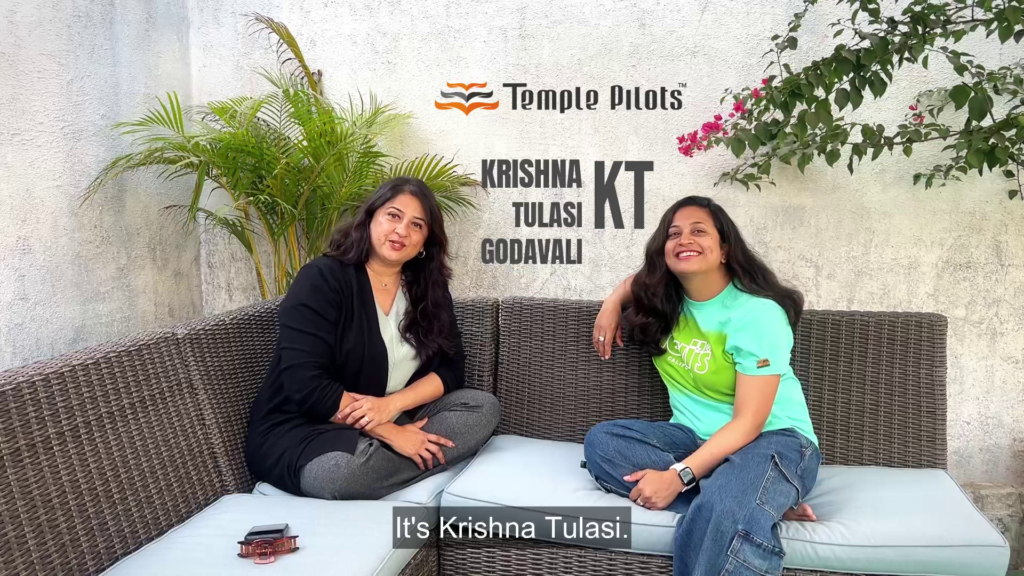
In this episode of the Temple Pilots Podcast, Katie shares an honest conversation about fear, confidence, learning at your own pace, and why becoming a paraglider is about much more than earning a pilot rating. Her story is one many aspiring pilots will relate to because it isn’t filled with dramatic moments or impossible achievements. Instead, it’s a reminder that every experienced pilot was once standing on launch, wondering if they were ready.
Watch the complete podcast below before reading further.
Adventure Began Long Before Paragliding
When people see someone flying a paraglider, it’s easy to assume they were always fearless.
Katie’s story proves otherwise.
Her relationship with adventure began years before she ever touched a paraglider. As a teenager, she discovered trekking and found herself drawn to the mountains. She wasn’t chasing records or trying to climb famous peaks. She simply loved being outdoors.
Like many beginners, she didn’t own expensive equipment or technical clothing. What she carried instead was curiosity.
Looking back, she remembers those early days not because of the destinations but because of the feeling they created. Standing in the middle of nature gave her something she couldn’t find anywhere else—a sense of freedom and perspective.
That simple curiosity would eventually lead her towards every adventure that followed.
Why the Mountains Keep Calling
Ask almost any experienced paraglider why they started flying, and very few will say it was simply because they wanted to fly.
Many were first drawn to mountains.
The mountains teach patience.
They teach respect.
They teach you that nature always has the final word.
Katie speaks about this connection throughout the conversation. Trekking wasn’t simply about reaching a summit. It became a way of slowing down and appreciating places that most people never experience.
Those lessons would later become surprisingly useful in paragliding, where patience often matters more than skill.
When Adventure Changes Direction
Like many outdoor activities, trekking has changed over the years.
Popular routes became busier.
Trails became crowded.
Commercial expeditions increased.
For Katie, the experience slowly became different from what had first attracted her.
Instead of giving up adventure altogether, she started asking a different question.
“What else is out there?”
That question led her somewhere completely unexpected.
Underwater.
Discovering an Entire World Through Scuba Diving
Most people think of mountains and oceans as completely different worlds.
Katie found they had more in common than she expected.
Her first scuba diving experience opened an entirely new perspective.
Descending underwater wasn’t simply exciting.
It was peaceful.
Instead of noise, there was silence.
Instead of rushing, there was calm.
Instead of looking at landscapes from above, she found herself floating through another world altogether.
That first experience eventually led her to become a scuba diving instructor.
Teaching others became one of the most rewarding parts of the journey. Watching someone overcome fear and experience weightlessness for the first time reminded her why she loved adventure in the first place.
Interestingly, many of the skills required underwater—remaining calm, trusting your training, and making thoughtful decisions—would later become invaluable while learning to fly.
Finding the Sky
After years of trekking and diving, another opportunity appeared.
Paragliding.
Like many future pilots, Katie first experienced flying as a tandem passenger.
Seeing the world from above was unlike anything she had experienced before.
The mountains she had once climbed became landscapes beneath her feet.
The same valleys she had walked through suddenly looked completely different.
Instead of seeing trails, she began seeing wind.
Instead of looking at mountains, she began understanding terrain.
That first flight sparked a question many pilots know well.
“What would it feel like to fly by myself?”
Learning to Fly Isn’t About Rushing
Social media often creates the impression that learning paragliding happens quickly.
A few training days.
A few flights.
A certificate.
Reality is very different.
Good pilots aren’t built by rushing.
They’re built through repetition.
Katie talks openly about taking her time.
She practiced ground handling.
She improved launch techniques.
She learned weather.
She listened.
She asked questions.
She accepted that learning wasn’t always comfortable.
There were moments of doubt.
There were moments where she questioned herself.
There were days when progress felt slow.
But rather than seeing those moments as failures, she eventually realised they were simply part of becoming a safer pilot.
The Battle Isn’t With the Wing
One of the most powerful moments in the podcast is the discussion around confidence.
Many beginners believe flying is mainly about controlling a paraglider.
Experienced pilots know otherwise.
The biggest challenge usually happens before take-off.
Inside your own mind.
Every pilot has experienced that internal conversation.
“Am I ready?”
“What if something goes wrong?”
“What if I’m not good enough?”
Katie admits she often placed unnecessary pressure on herself.
Her instructors saw abilities she couldn’t yet see.
With encouragement, patience and practice, she slowly learned to trust herself.
That transformation may be the most important part of becoming a pilot.
The First Solo Flight
Every paraglider remembers their first solo flight.
Not because it was perfect.
But because it changes everything.
Katie laughs while recalling the experience.
Standing on launch, she hesitated.
Like many students, she wasn’t completely convinced she was ready.
Then she launched.
Within moments the nervousness disappeared.
The training took over.
The wing flew.
The world became quiet.
And like so many pilots before her, she discovered something unexpected.
Landing wasn’t the part she was looking forward to.
She wanted to stay in the air.
Why Learning Slowly Can Make You a Better Pilot
Modern life encourages speed.
Adventure sports often reward patience.
Throughout the conversation, Katie repeatedly returns to one important lesson.
Everyone learns differently.
Some students progress quickly.
Others need more time.
Neither approach is right or wrong.
Safe flying isn’t measured by how quickly someone finishes a course.
It’s measured by their judgement after certification.
That message is especially valuable for aspiring pilots who compare themselves with others during training.
Progress isn’t a race.
The mountain will still be there tomorrow.
Becoming an APPI Level 3 Pilot
Earning an APPI Level 3 rating represents much more than completing a course.
It demonstrates that a pilot has developed the knowledge, judgement and practical skills required to fly independently within their certification limits.
For Katie, reaching this stage wasn’t about collecting another achievement.
It represented years of learning, self-reflection and gradual improvement.
The certificate marked the end of one chapter.
More importantly, it marked the beginning of another.
Now the learning truly begins.
Because every experienced pilot knows graduation isn’t the finish line.
It’s simply permission to continue learning.
Women in Paragliding
Adventure sports are becoming increasingly diverse, with more women entering activities that were once considered niche.
Katie’s story isn’t presented as “a woman learning paragliding.”
It’s simply the story of someone following curiosity.
That perspective matters.
Her advice applies equally to anyone beginning their journey.
Trust the process.
Find good instructors.
Learn properly.
Don’t compare yourself to others.
Stay humble.
Keep learning.
These principles have nothing to do with gender.
They have everything to do with becoming a better pilot.
The Lessons That Apply Beyond Flying
One reason this conversation resonates beyond the paragliding community is because its lessons extend far beyond aviation.
Adventure teaches resilience.
Nature teaches patience.
Flying teaches decision-making.
Weather teaches humility.
Mistakes teach growth.
These lessons don’t disappear when you pack your wing.
They influence work.
Relationships.
Confidence.
Everyday life.
Many pilots eventually realise that the greatest gift paragliding offers isn’t flying.
It’s the person you become while learning.
Advice for Anyone Thinking About Learning Paragliding
If you’ve ever watched colourful wings soaring over mountains and wondered whether you could do it too, Katie’s story offers reassuring advice.
You don’t need to be fearless.
You don’t need years of outdoor experience.
You don’t need extraordinary athletic ability.
What you do need is patience.
A willingness to learn.
Respect for nature.
And instructors who prioritise safety over speed.
Learning paragliding isn’t about chasing adrenaline.
It’s about building knowledge one flight at a time.
Why This Conversation Is Worth Watching
The internet is full of spectacular flying videos.
What makes this podcast different is its honesty.
There are no exaggerated claims.
No shortcuts.
No dramatic storytelling.
Instead, it’s a genuine conversation about why people continue returning to mountains year after year.
Because somewhere between fear and confidence…
Between uncertainty and trust…
Between the ground and the sky…
People often discover a version of themselves they never knew existed.
As Katie beautifully says,
“The real flight isn’t outside. The real flight is within.”
Perhaps that’s why so many pilots continue flying long after earning their certification.
They’re not simply chasing airtime.
They’re continuing a journey of learning, growth and self-discovery.
Learn to Fly with Temple Pilots
If this conversation inspired you to explore paragliding, Temple Pilots offers internationally certified APPI paragliding courses in Kamshet, Maharashtra. Whether you’re taking your very first flight or working towards becoming an independent pilot, structured training, experienced instructors and a safety-first approach provide the foundation for a lifetime of flying.
Every pilot starts with a single step.
Or, in this case…
A single launch.